
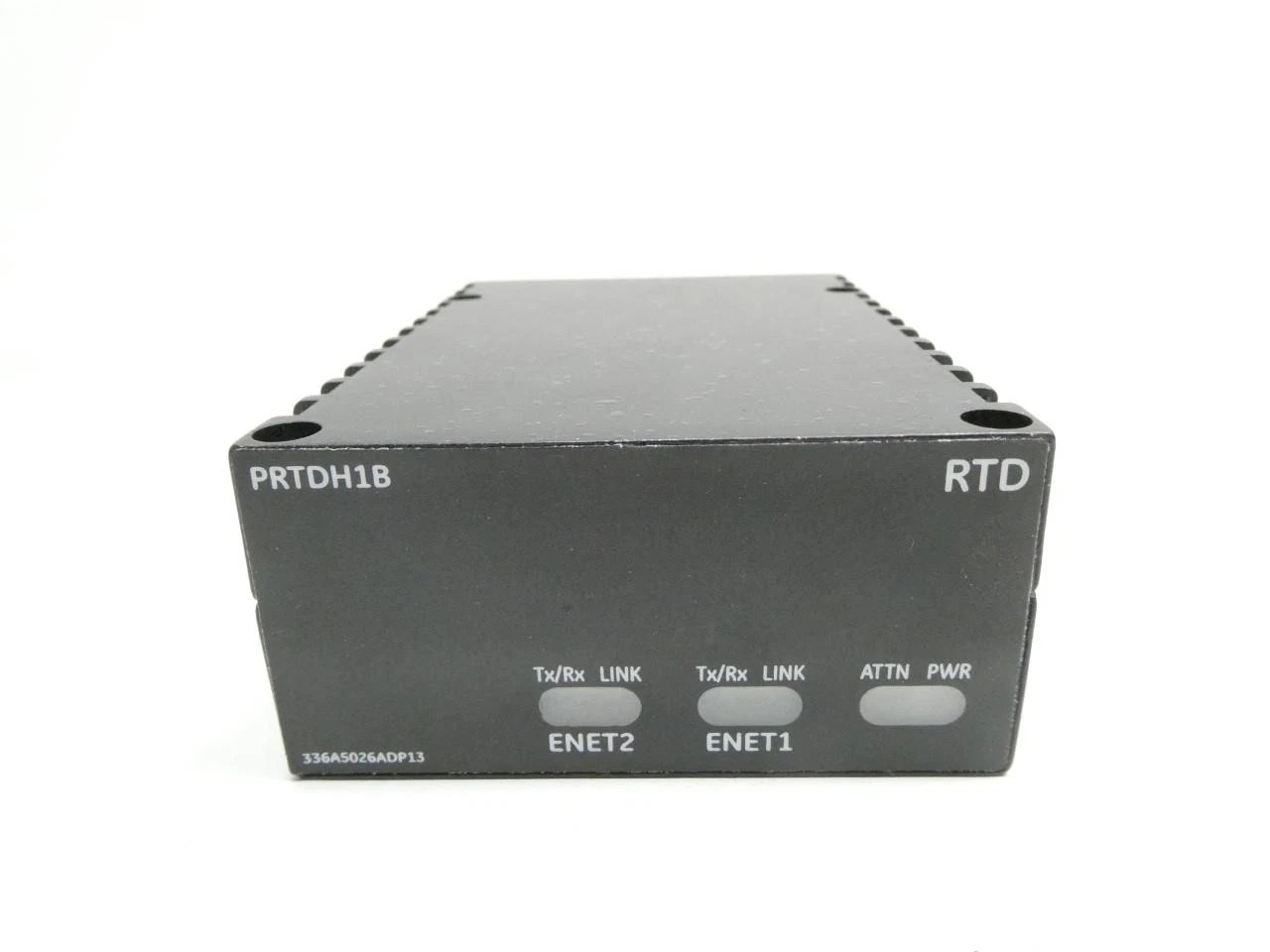
Ge IS220PRTDH1B
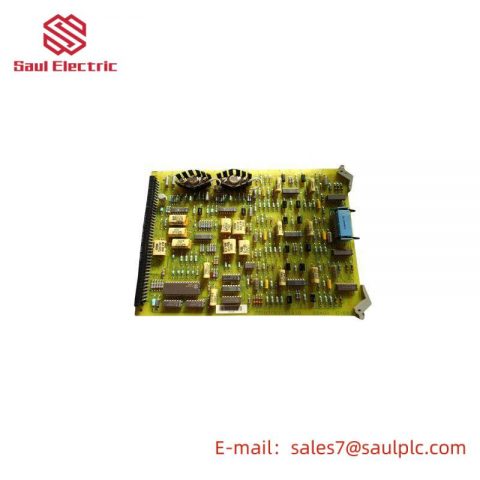
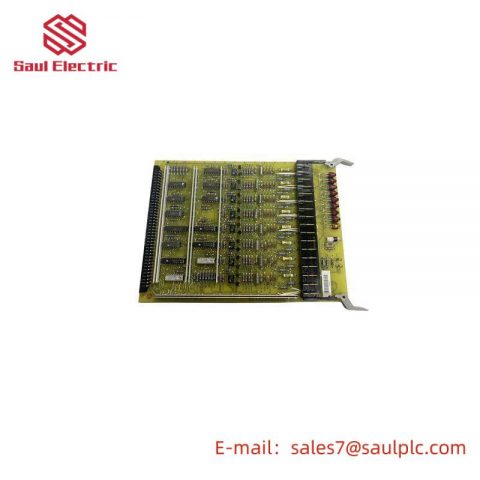
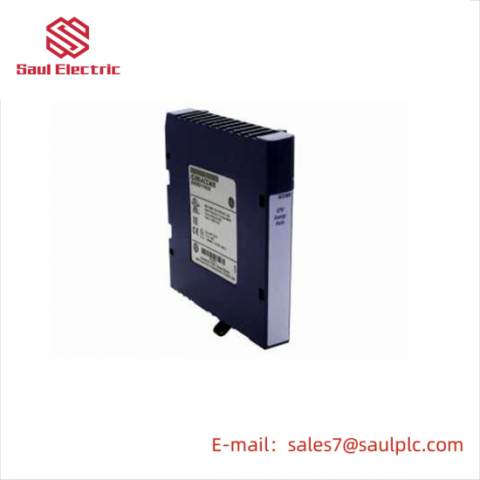
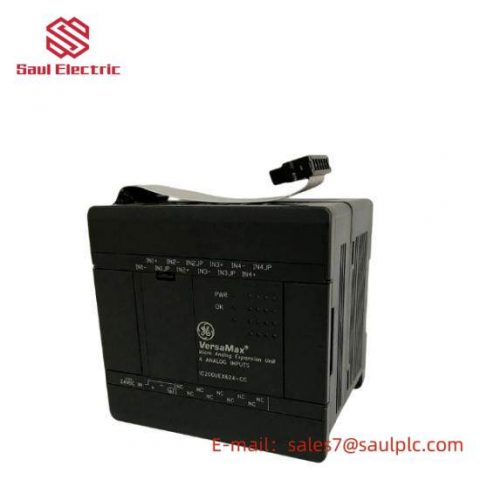
GE IS220PRTDH1B RTD Input Module
The GE IS220PRTDH1B is a high-performance RTD (Resistance Temperature Detector) input module specifically designed by General Electric (GE) for its Mark VIe/Mark VI series control systems. It is primarily used for temperature measurement and monitoring in industrial automation.
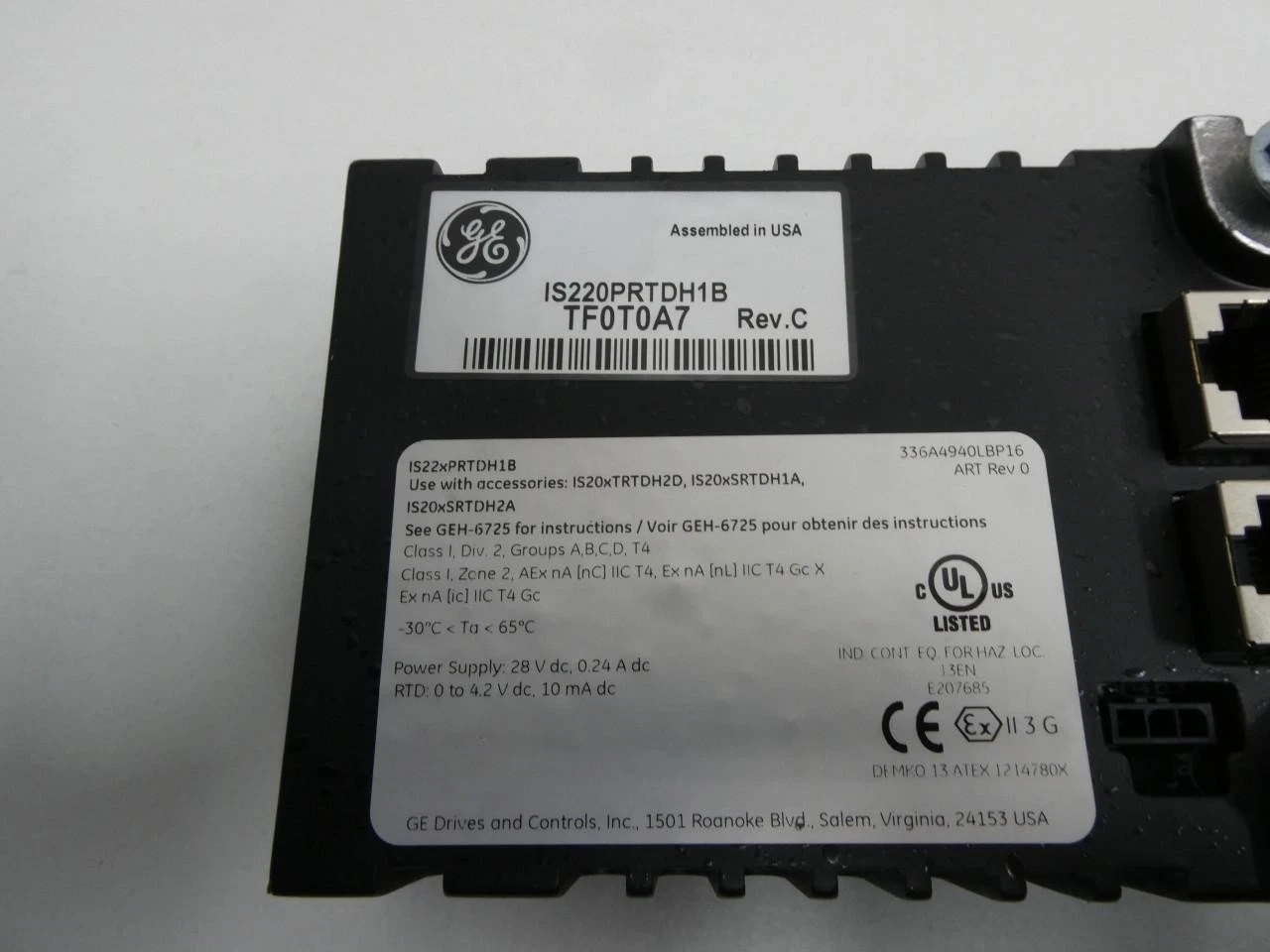
Key Technical Parameters
| Parameter | Description |
|---|---|
| Number of Channels | 8 or 16 RTD inputs (selectable) |
| Temperature Range | –200 °C to +800 °C |
| Measurement Accuracy | ±0.1 % FS |
| Resolution | 0.01 °C (approx. 0.01 % FS) |
| Supply Voltage | 24 V DC (±10 %) |
| Power Consumption | Approx. 2.5 W – 25 W, typical 2.5 W |
| Operating Temperature | –20 °C to +60 °C |
| Storage Temperature | –40 °C to +85 °C |
| Relative Humidity | 5 % – 95 % (non-condensing) |
| Dimensions | Approx. 310 mm × 230 mm × 89 mm (approx. 4.7 × 2.8 × 1.5 inches) |
| Weight | Approx. 0.5 – 7.2 oz (approx. 0.2 kg – 0.55 kg) |
| Interface | Dual RJ45 Ethernet ports (with LED indicators), supporting industrial communication protocols such as Ethernet, Genius, and Genius Bus |
| Certifications | CE, UL, CSA, compliant with IEC standards, RoHS compliant, Class I Div 2 Hazardous Area Certification |
Typical Applications
- Gas/steam turbine temperature monitoring in power plants
- Process temperature control in petrochemical industries
- Critical point temperature acquisition in process industries (e.g., refining, metallurgy)
- Any automation system requiring high-precision, wide-range RTD measurements
Summary
The GE IS220PRTDH1B is an RTD input module designed for high-reliability industrial control systems. It features a wide temperature measurement range, high accuracy, low power consumption, and versatile communication interfaces, enabling it to meet the stringent temperature acquisition requirements in sectors such as power generation, oil & gas, and chemicals.
ABB Allen-Bradley Alstom Bently Emerson Foxboro
GE MOOG Schneider Woodward HIMA Honeywell
ABB 5SHY series hot selling//large inventory//brand new//affordable price
First hand source, affordable price. Spot inventory!
•Shipping Port: Xiamen
•E-mail: sales7@saulplc.com
•Tel: + 86-15359273796(WhatsApp)
•Ship to you via Fedex/DHL/TNT/UPS/EMS
•Package: Original packing with cartons

Our Services
✹Fast worldwide delivery
✹More than 551,867 unique products available
✹Guaranteed best prices on the market
✹Functionally tested products
✹More than 5.000 brands available
✹Every item is dealt with high care and fully operational
More brands//More models//Hot selling inventory//Welcome to inquire
High-Availability Parts Database (Top Demand Models)
1. Distributed Control System (DCS) Critical Components
│
├─ ABB 800xA System
├─ Comm Module: 3AUA0000110429 (Redundant Config)
└─ Controller Card: SYSCON2 746924 (v2.3 Firmware)
│
├─ Foxboro I/A Series
├─ FBM214 (16-Ch AI Card | ±0.1% Accuracy)
└─ FBM242 (HART-enabled AO Module)
│
├─ Triconex TMR Safety System
└─ Triple Modular Redundancy: 3625X (SIL3 Certified | MTBF >500k Hours)
2. Programmable Logic Controller (PLC) Fast-Moving Parts
│
├─ Allen-Bradley Top Models
├─ 1734 Series I/O: IB8 (8-pt Input | -40~70℃ Industrial Grade)
└─ ControlLogix Module: 1756-IM16I (16-Ch Isolated Input)
│
├─ GE MarkVIe Specialized Components
└─ IS220UCSAH1A (Turbine Control Dedicated | With Dynamic Calibration Report)
3. Turbine Supervisory Instrumentation (TSI) Core Sensors
│
├─ Bently Nevada 3500 System
├─ 3500/22M (Radial Vibration Monitor | TÜV Certified)
└─ 3500/53 (Shaft Position Module | ±1μm Precision)
│
├─ EPRO Smart Probe System
└─ MMS6312 (Vibration/Temperature Combo | IP67 Rated)
DCS vs. PLC vs. SCADA: What’s the Difference?
While DCS, PLC (Programmable Logic Controller), and SCADA (Supervisory Control and Data Acquisition) systems are all used in industrial automation, they serve different purposes:
-
A DCS is ideal for complex processes requiring high reliability and coordinated control over a large area.
-
A PLC is typically used for discrete control tasks such as assembly lines or machinery.
-
SCADA focuses on supervisory-level monitoring and data gathering across geographically dispersed assets.
In many modern installations, DCS and SCADA functionalities are integrated to leverage the strengths of both systems.
Applications of Distributed Control Systems
DCS technology is widely applied in industries such as:
-
Oil & Gas Refining
-
Power Generation
-
Chemical and Pharmaceutical Manufacturing
-
Water and Wastewater Treatment
-
Food and Beverage Processing
Conclusion
A Distributed Control System (DCS) offers a robust, scalable, and efficient solution for managing complex industrial processes. Its distributed nature not only enhances reliability and safety but also supports continuous operational improvement through integrated monitoring and control. Industries relying on precision, safety, and uptime continue to adopt and evolve DCS technology for smarter automation.
Optimization Notes:
-
✅ Target keywords included: Distributed Control System, DCS, industrial automation, process control, sensors and actuators, HMI, SCADA vs. DCS.
-
✅ Structured with clear headings and bullet points for readability.
-
✅ Content is comprehensive and answers likely user queries.
-
✅ Includes related terms like PLC and SCADA for context and SEO relevance.
GE Company Introduction
General Electric Company (GE) is a renowned multinational conglomerate with diversified businesses spanning energy, aviation, healthcare, renewable energy, and digital industries. Below are its key details:
1. Company Overview
- Founded: 1892 (merger of Edison Electric Light Company and Thomson-Houston Electric Company)
- Headquarters: Boston, Massachusetts, USA
- Founders: Thomas Edison (technical pioneer), Charles Coffin (business integrator)
- Current CEO: Larry Culp (since 2018)
- Market Cap: ~$120 billion (2023 data, adjusted after spin-offs)
2. Core Business Segments
After strategic restructuring, GE now focuses on three main sectors:
- Aviation (GE Aerospace)
A global leader in aircraft engines and systems, including CFM International’s (joint venture with Safran) LEAP engines. - Healthcare (GE HealthCare)
Spun off in 2023, specializing in medical imaging, ultrasound, and life care equipment (e.g., CT, MRI machines). - Energy Transition (GE Vernova)
Launched in 2024, combining renewable energy (wind, hydro), gas power, and grid solutions.
3. Historical Milestones
- Early 1900s: Pioneered electrification, inventing the first commercial incandescent lamp and X-ray machine.
- 1970s: Entered aviation with the GE90 jet engine.
- Post-2008: Restructured after the financial crisis, divesting GE Capital.
- 2015-2020: Pushed digital transformation with the Predix industrial IoT platform.
- 2020s: Spun off non-core assets (e.g., appliances, biopharma) to focus on advanced manufacturing.
4. Presence in China
Since 1906, GE has contributed to projects like the Three Gorges Dam and COMAC C919, with multiple R&D and manufacturing sites (e.g., Beijing, Shanghai, Wuxi).
5. Recent Developments (2023-2024)
- Completed spin-offs of GE HealthCare and GE Vernova, leaving GE Aerospace as the remaining public entity.
- Accelerated sustainable tech R&D, including hydrogen-powered turbines and hybrid-electric aircraft engines.
6. Corporate Culture & Legacy
- Slogan: “Imagination at Work”
- Achievements: Holds numerous Nobel-level innovations and consistently ranks in the FortuneGlobal 500.
Through continuous transformation, GE aims to lead in low-carbon and high-tech industrial solutions.





There are no reviews yet.