

GE 531X305NTBANG1
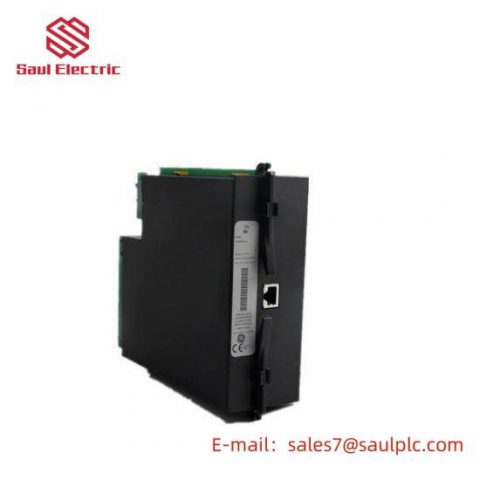
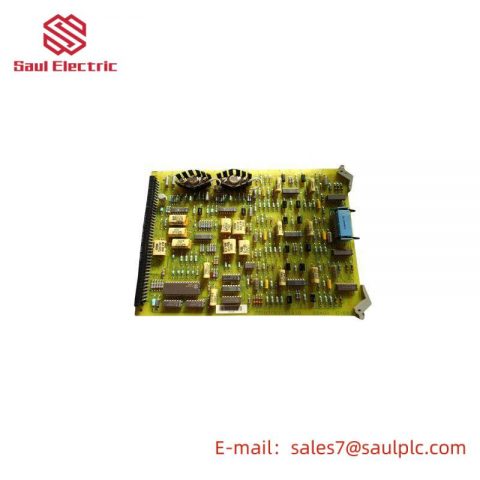
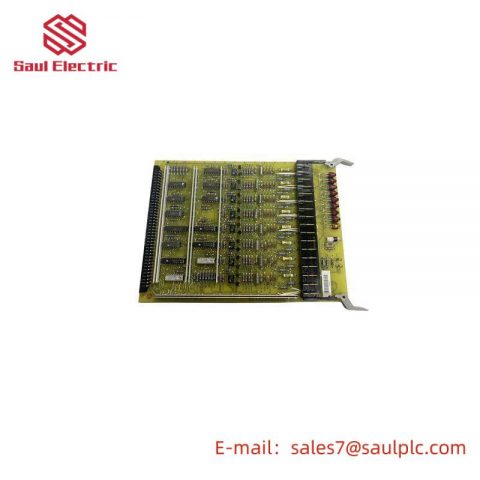
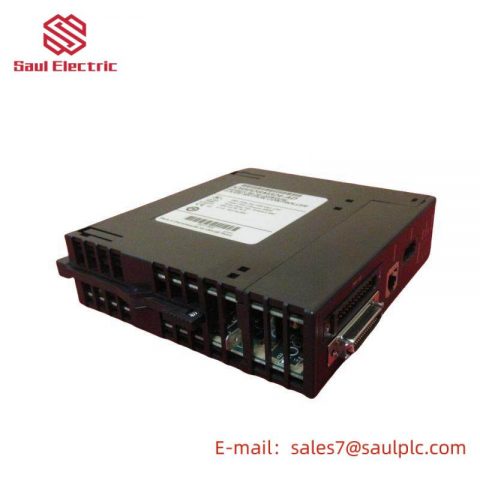
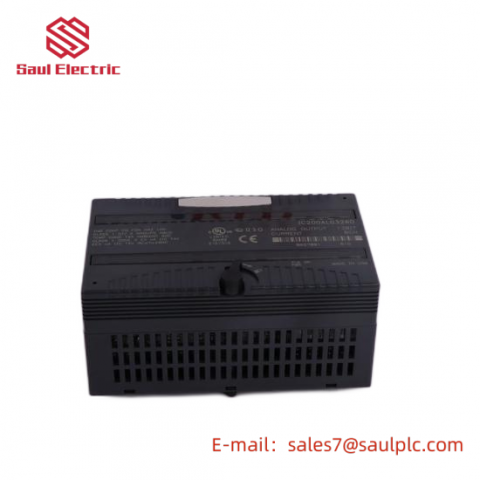
The GE 531X305NTBANG1 is an intelligent online transformer monitoring and diagnostics system developed by GE Digital Energy for oil-insulated power transformers. It is designed to continuously collect transformer operating data and use embedded mathematical models to evaluate transformer condition, loading capability, cooling performance, insulation aging, and developing abnormal conditions. GE currently classifies the MO150 as a legacy/obsolete product.
1. What the MO150 actually does
Rather than being a conventional PLC or protection relay, the MO150 sits between the transformer’s field sensors and the operator/SCADA system.
Its basic workflow is:
Sensors → MO150 controller → Transformer models → Diagnostics/alarms → Operator/SCADA
It can combine measurements such as:
- Transformer winding/load current
- Top and bottom oil temperature
- Cooling-fan current/status
- RTD temperature signals
- 4–20 mA signals
- Hydran gas/moisture measurements
- Tap-changer information
The system then converts these raw measurements into useful transformer-condition information.
2. Main diagnostic models
One of the strongest aspects of the 531X305NTBANG1 is its embedded transformer models. These include:
| Model | Purpose |
|---|---|
| MVA model | Calculates apparent power on transformer windings |
| Winding hot-spot model | Estimates winding hot-spot temperature |
| Moisture model | Estimates moisture in transformer insulation |
| Insulation aging model | Calculates insulation aging acceleration |
| Cooling control model | Helps manage transformer cooling |
| Cooling efficiency model | Evaluates cooling-system effectiveness |
| Tap-changer thermal model | Monitors LTC/main-tank temperature relationship |
| Tap position tracking | Records and tracks tap transitions |
| Dynamic loading model | Estimates permissible loading under current conditions |
| Prognostics & diagnostics | Explains alarms and provides recommended actions |
The models are based on transformer calculation methodologies associated with IEEE and IEC guidelines.
3. Hardware / I/O configuration
The 531X305NTBANG1 controller provides a fairly broad field-interface capability:
Analog inputs
- 8 inputs
- Configurable for PT100 RTD or isolated 4–20 mA
- RTD range: 0–270 Ω
- 4–20 mA inputs support active/passive configurations
AC analog inputs
- 5 inputs
- 3 for transformer winding currents
- 2 for cooling-fan group currents
Digital inputs
- 2 dry-contact inputs
- Used for cooling-system status and alarms
The basic monitoring package can also include a Hydran S2 gas/moisture sensor, two magnetic RTDs for oil temperature, and a load-current CT transducer.
4. Controller and communications
The electronic controller is microprocessor-based and includes:
- Watchdog
- Real-time clock
- Historical data storage
- Backlit LCD
- Membrane keypad
- Power/System OK/Alarm indicators
Communication capabilities include RS-232, RS-485, Ethernet TCP/IP, modem and fiber-optic options, with protocols including DNP 3.0 and Modbus depending on configuration.
The system also maintains historical alarms/events and service/logging data, allowing operators to examine transformer behavior over time rather than relying only on instantaneous measurements.
5. Typical application
The 531X305NTBANG1 was intended mainly for medium-to-large oil-filled transformers, particularly:
- Transmission substations
- Distribution substations
- Generator step-up transformers
- Station-service transformers
- Auto-regulated transformers
- Large industrial transformers
- Power-generation facilities
Its key value is condition-based monitoring: operators can identify deteriorating conditions earlier and make better decisions about loading, cooling, inspection and maintenance.
6. Why the MO150 is important
The MO150’s value is not simply measuring temperature or current. Its main advantage is the combination of:
Real-time measurements + transformer mathematical models + historical trending + alarm interpretation
For example, instead of simply reporting a high oil temperature, the system can combine load, temperature, transformer characteristics and cooling performance to assess whether the transformer can continue operating safely under the prevailing conditions.
The diagnostic module can also provide three levels of information: identification of the alarm, possible consequences if the condition continues, and recommended checks/actions.
7. Maintenance considerations
Because the 531X305NTBANG1 is now a legacy/obsolete GE product, maintenance deserves particular attention.
For an installed unit, I would pay particular attention to:
- Sensor calibration — especially RTDs, CT inputs and Hydran devices
- Cooling-system interfaces — verify fan status/current feedback
- Communication ports — RS-232/RS-485/Ethernet and SCADA links
- Historical data integrity
- LCD/keypad and alarm LEDs
- Power supply and internal electronics
- Hydran sensor condition
- Availability of replacement controller hardware/software
For an existing transformer installation, replacing the MO150 should therefore be treated as a system-level migration, not simply replacing one electronic module.
Overall assessment
GE 531X305NTBANG1 = online transformer condition-monitoring and diagnostic platform, not a conventional PLC.
Its most important strengths are its embedded transformer models, dynamic loading calculation, insulation-aging assessment, cooling monitoring, gas/moisture integration and diagnostic guidance. It was particularly valuable for utilities and industrial plants that needed continuous visibility into the condition of expensive oil-filled transformers.
The major drawback today is its legacy/obsolete status, which makes spare-parts availability, software compatibility and long-term support important considerations for existing installations.


There are no reviews yet.