
.jpg "GE IS200TRPGH1BDE(2)")
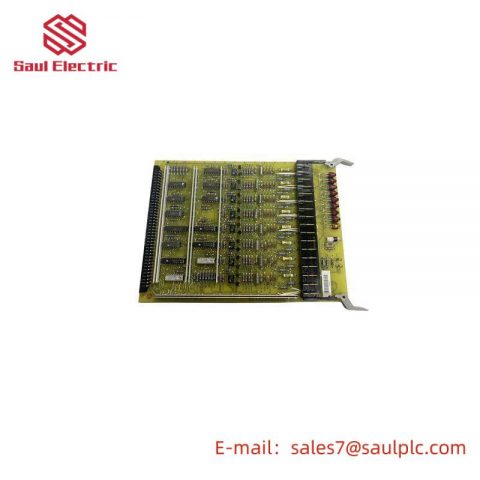
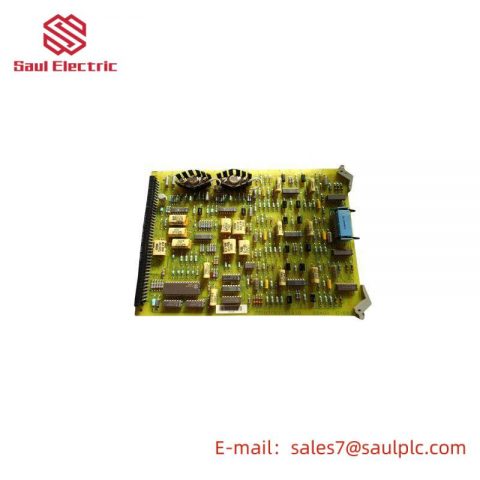
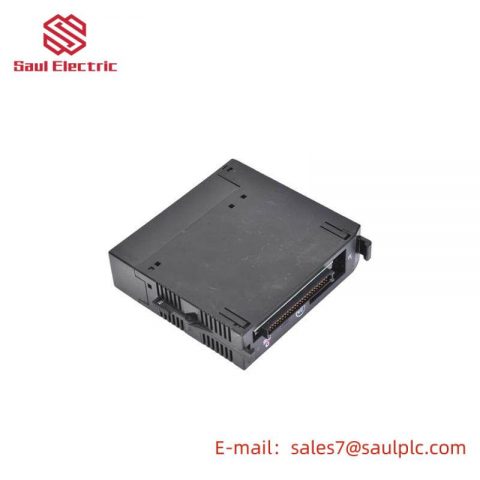
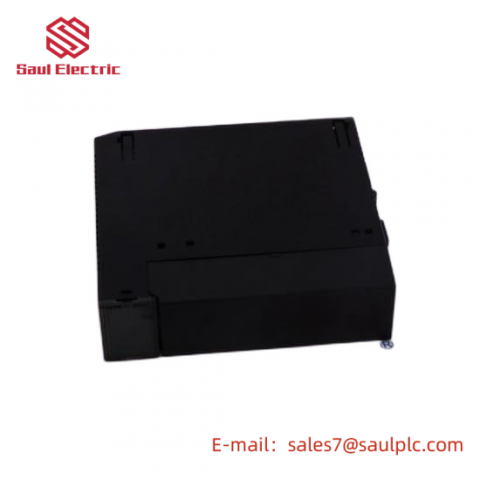
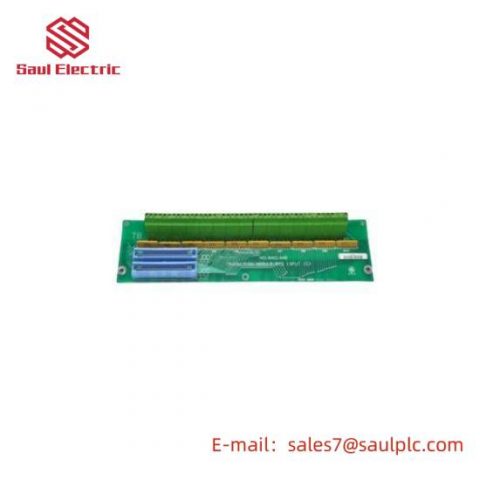
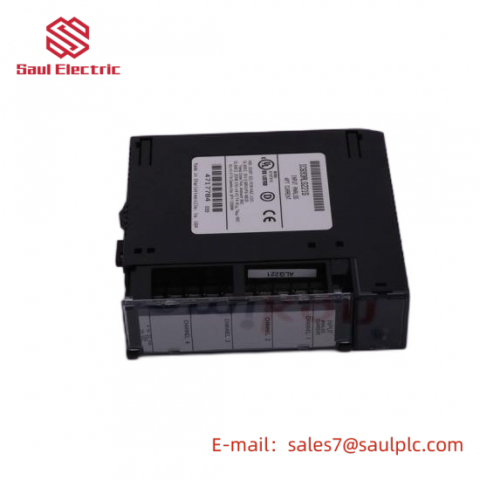
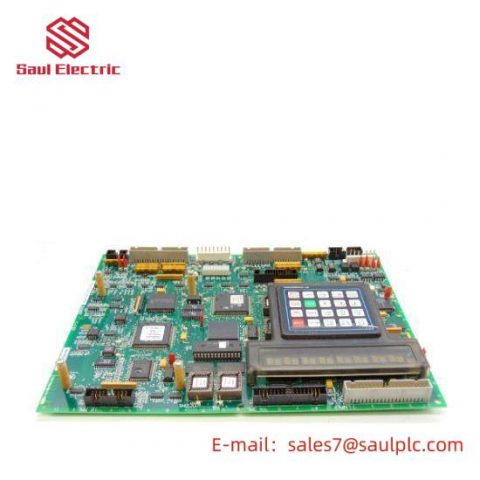
GE 531X304IBDARG1
Manufacturer: General Electric (GE)
Series: GE Mark VI / Mark VIe Speedtronic Turbine Control System
Part Number: 531X304IBDARG1
Product Type: Emergency Trip Terminal Board (TREG) / Turbine Emergency Trip Board
Function: Emergency turbine protection and trip solenoid interface board
Product Description
The GE 531X304IBDARG1 is an Emergency Trip Terminal Board used in GE Mark VI Speedtronic turbine control systems. It is part of the Emergency Turbine Protection (VPRO) system and provides an independent hardware-based emergency trip function for gas and steam turbines.
The board works together with the TRPG terminal board to control turbine emergency shutdown circuits. It provides the positive side of the DC trip power circuit for emergency trip solenoids, helping ensure reliable turbine shutdown during overspeed or other critical fault conditions.
Technical Specifications
| Parameter | Specification |
|---|---|
| Manufacturer | General Electric (GE) |
| Model | 531X304IBDARG1 |
| System Platform | Mark VI / Mark VIe Speedtronic |
| Board Type | Emergency Trip Terminal Board |
| Functional Acronym | TREG |
| Application | Turbine Emergency Protection |
| Relay Quantity | 12 relays |
| Trip Solenoid Channels | 3 emergency trip solenoid circuits |
| Relay Voting Logic | 3 groups of 3 relays for trip voting |
| Control Voltage | 28 VDC relay coil supply |
| Trip Power Interface | 125 VDC trip circuit |
| Connectors | 3 female D-shell connectors |
| PCB Type | Surface-mount technology |
| Coating | Conformal coated PCB |
| Operating Environment | Industrial turbine control applications |
Key Features
- Independent emergency overspeed protection
- Provides protection independent from the main turbine control processor.
- Helps initiate rapid turbine shutdown under dangerous operating conditions.
- Emergency trip solenoid control
- Interfaces with turbine trip solenoid circuits.
- Supports redundant trip architecture with TRPG boards.
- High reliability design
- Uses relay-based hardware logic for critical safety functions.
- Designed for continuous operation in power generation environments.
- Redundant safety architecture
- Supports GE Mark VI turbine protection systems requiring high availability and fault tolerance.
Application Areas
The GE 531X304IBDARG1 is widely used in:
- Gas turbine power plants
- Steam turbine control systems
- Combined cycle power generation plants
- Industrial turbine-driven compressors
- Oil & gas facilities
- Petrochemical plants
- Large industrial energy systems
Compatible GE Mark VI Components
Commonly associated modules include:
- GE 531X304IBDARG1 – Trip Relay Positive/Negative Interface Board
- GE VPRO Protection Module – Emergency turbine protection controller
- GE Mark VI / Mark VIe I/O and terminal boards
Conclusion
The GE 531X304IBDARG1 Emergency Trip Terminal Board is a critical safety component in GE Mark VI turbine control systems. It provides reliable emergency trip signal distribution and solenoid control, ensuring fast and dependable turbine shutdown during overspeed events or critical system failures. It is an essential spare part for maintaining the safety, availability, and reliability of GE gas and steam turbine installations.
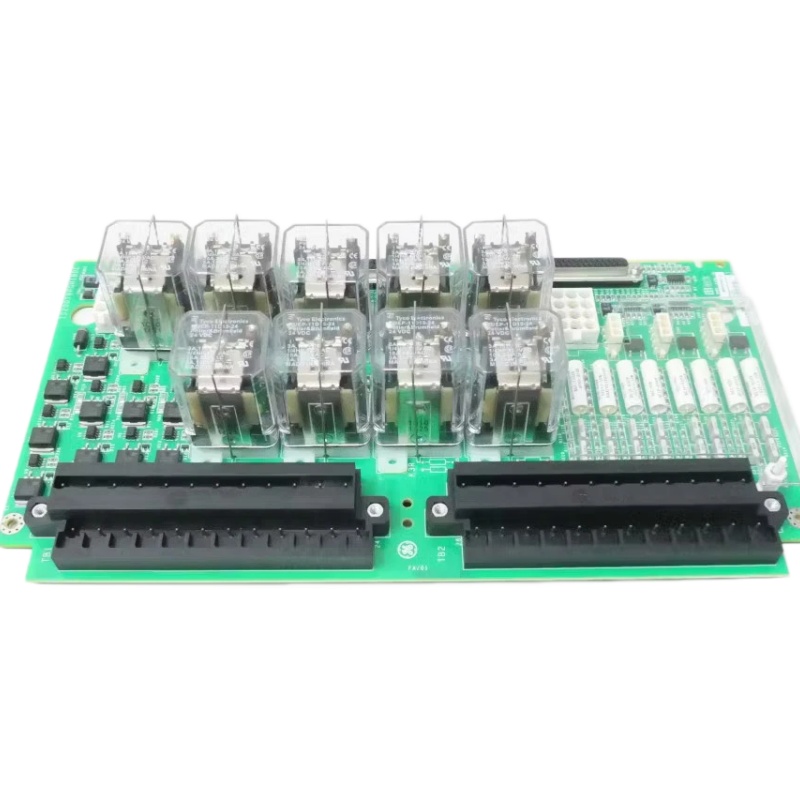
ABB Allen-Bradley Alstom Bently Emerson Foxboro
GE MOOG Schneider Woodward HIMA Honeywell
ABB 5SHY series hot selling//large inventory//brand new//affordable price
First hand source, affordable price. Spot inventory!
•Shipping Port: Xiamen
•E-mail: sales7@saulplc.com
•Tel: + 86-15359273796(WhatsApp)
•Ship to you via Fedex/DHL/TNT/UPS/EMS
•Package: Original packing with cartons

Our Main Brand
ABB, GE, Allen Bradley, Honeywell, Emerson, Bently Nevada, Prosoft, Siemens, Westinghouse, Triconex, Foxboro, ICS Triplex, Hima, Schneider, Yokogawa, Woodward, B&R, KEBA, etc
—-(DCS)Distributed Control System
ABB 3AUA0000110429,SYSCON2 746924
Invensys Foxboro FBM214,FBM242,B0123HE
Invensys Triconex 3625,3700A,3604E
Woodword 5462-758B
HIMA F2-DO-16-02,F8650E
Yokogawa SAI143-S03 S1, F9342L-02
Honeywell 51402497-200,51403519-160,51199194-100,CC-PDO801
Emerson KJ4001X1-NB1,12P3368X012
—-(PLC)Programmable Logic Controller
Rockwell AB 1734-IB8,1734-OB8,1769-L18ER-BB1B,1756-IM16I
ICS Triplex T8461,T8850,T8403,T8431,T8831,T8310
Schneider Modicon 140DDI85300
GE Fnauc IS210AEPSG2B,IS220UCSAH1A,IS215ACLEH1A,IS210AEAAH1B
Siemen 6ES7331-1KF02-0AB0
Prosoft MVI46-DFNT
Bachmann MPC240
Woodhead 9905-068 2301A
—-(TSI)Turbine Supervisory Instrumentation
Bently Nevada 3500/22M,138607-01,3500/25,3500/53,3500/32M 149986-02,
EPRO MMS6110,MMS6120,MMS6220,MMS6312,MMS6410,6423,6424,
ENTEK EK C6622HS,XM124,1440-SDM02-01RA
What Is a Distributed Control System (DCS)? A Complete Guide
A Distributed Control System (DCS) is a sophisticated automated control system that uses a network of interconnected controllers, sensors, and computers to manage complex industrial processes. Unlike centralized systems, a DCS distribates control functions across multiple modules, enhancing reliability and performance. It is essential in large continuous-process industries such as oil refineries, power generation plants, chemical manufacturing facilities, and paper mills—where high precision, operational safety, and scalability are critical.
How Does a Distributed Control System Work?
A DCS integrates several key components that work in unison to monitor and control industrial operations in real time. Here’s a breakdown of its core elements:
1️⃣ Controllers (The “Brain”)
Controllers process input data from sensors using predefined logic and algorithms. They send output commands to actuators to maintain process variables within desired limits, ensuring stable and efficient operation.
2️⃣ Sensors (The “Eyes and Ears”)
Sensors measure vital process parameters—including temperature, pressure, flow rate, and level—and provide continuous real-time data to the controllers.
3️⃣ Actuators (The “Muscles”)
Actuators carry out physical adjustments based on commands from the controllers. Common actions include opening or closing valves, starting or stopping motors, and regulating equipment.
4️⃣ Operator Stations (HMI – Human-Machine Interface)
These stations provide a graphical user interface (GUI) that allows operators to visualize the entire process, adjust setpoints, respond to alarms, and optimize performance.
5️⃣ Communication Network (The “Nervous System”)
A high-speed data network connects all components of the DCS, enabling seamless communication and coordination across different areas of a facility, even over large distances.
Key Advantages of Using a Distributed Control System
- Decentralized Architecture: By distributing control tasks, a DCS minimizes the impact of a single point of failure, increasing system resilience.
- Scalability and Flexibility: It allows easy expansion or modification of control loops and processes without disrupting existing operations.
- High Availability and Redundancy: Built-in redundancy in controllers, networks, and power supplies ensures uninterrupted operation, essential for critical processes.
- Enhanced Process Efficiency: Optimizes control loops, reduces energy consumption, improves product quality, and decreases operational waste.
- Integrated Data Management: Provides real-time analytics, historical trending, and reporting capabilities for better decision-making.
DCS vs. PLC vs. SCADA: What’s the Difference?
While DCS, PLC (Programmable Logic Controller), and SCADA (Supervisory Control and Data Acquisition) systems are all used in industrial automation, they serve different purposes:
- A DCS is ideal for complex processes requiring high reliability and coordinated control over a large area.
- A PLC is typically used for discrete control tasks such as assembly lines or machinery.
- SCADA focuses on supervisory-level monitoring and data gathering across geographically dispersed assets.
In many modern installations, DCS and SCADA functionalities are integrated to leverage the strengths of both systems.
Applications of Distributed Control Systems
DCS technology is widely applied in industries such as:
- Oil & Gas Refining
- Power Generation
- Chemical and Pharmaceutical Manufacturing
- Water and Wastewater Treatment
- Food and Beverage Processing
Conclusion
A Distributed Control System (DCS) offers a robust, scalable, and efficient solution for managing complex industrial processes. Its distributed nature not only enhances reliability and safety but also supports continuous operational improvement through integrated monitoring and control. Industries relying on precision, safety, and uptime continue to adopt and evolve DCS technology for smarter automation.
Optimization Notes:
- ✅ Target keywords included: Distributed Control System, DCS, industrial automation, process control, sensors and actuators, HMI, SCADA vs. DCS.
- ✅ Structured with clear headings and bullet points for readability.
- ✅ Content is comprehensive and answers likely user queries.
- ✅ Includes related terms like PLC and SCADA for context and SEO relevance.
GE Company Introduction
General Electric Company (GE) is a renowned multinational conglomerate with diversified businesses spanning energy, aviation, healthcare, renewable energy, and digital industries. Below are its key details:
1. Company Overview
- Founded: 1892 (merger of Edison Electric Light Company and Thomson-Houston Electric Company)
- Headquarters: Boston, Massachusetts, USA
- Founders: Thomas Edison (technical pioneer), Charles Coffin (business integrator)
- Current CEO: Larry Culp (since 2018)
- Market Cap: ~$120 billion (2023 data, adjusted after spin-offs)
2. Core Business Segments
After strategic restructuring, GE now focuses on three main sectors:
- Aviation (GE Aerospace)
A global leader in aircraft engines and systems, including CFM International’s (joint venture with Safran) LEAP engines. - Healthcare (GE HealthCare)
Spun off in 2023, specializing in medical imaging, ultrasound, and life care equipment (e.g., CT, MRI machines). - Energy Transition (GE Vernova)
Launched in 2024, combining renewable energy (wind, hydro), gas power, and grid solutions.
3. Historical Milestones
- Early 1900s: Pioneered electrification, inventing the first commercial incandescent lamp and X-ray machine.
- 1970s: Entered aviation with the GE90 jet engine.
- Post-2008: Restructured after the financial crisis, divesting GE Capital.
- 2015-2020: Pushed digital transformation with the Predix industrial IoT platform.
- 2020s: Spun off non-core assets (e.g., appliances, biopharma) to focus on advanced manufacturing.
4. Presence in China
Since 1906, GE has contributed to projects like the Three Gorges Dam and COMAC C919, with multiple R&D and manufacturing sites (e.g., Beijing, Shanghai, Wuxi).
5. Recent Developments (2023-2024)
- Completed spin-offs of GE HealthCare and GE Vernova, leaving GE Aerospace as the remaining public entity.
- Accelerated sustainable tech R&D, including hydrogen-powered turbines and hybrid-electric aircraft engines.
6. Corporate Culture & Legacy
- Slogan: “Imagination at Work”
- Achievements: Holds numerous Nobel-level innovations and consistently ranks in the FortuneGlobal 500.
Through continuous transformation, GE aims to lead in low-carbon and high-tech industrial solutions.

There are no reviews yet.